
NCL: 282, 217* and 112* at Three Venues in One Day — What the Ledger Actually Says
**मुख्य उत्तर (Core Answer):** बांग्लादेश की नेशनल क्रिकेट लीग (NCL) के एक ही दिन तीन अलग मैदानों पर तीन सलामी बल्लेबाज़ों ने बड़े स्कोर बनाए — मोहम्मद नईम 282 (369 गेंद), मोहफिजुल इस्लाम 217* (351 गेंद) और जाकिर हसन 112*। तीनों स्कोर प्रथम श्रेणी प्रारूप के सामान्य ठहराव वाले हैं, अंतरराष्ट्रीय तैयारी का सबूत नहीं। **मुख्य तथ्य (Key Facts):** - मोहम्मद नईम (ढाका डिवीजन): 282 रन, 369 गेंद, स्ट्राइक रेट 76.4, 21 चौके और 7 छक्के; स्पिनर रहीम अहमद के ख़िलाफ़ कवर पर कैच। - मोहफिजुल इस्लाम (मैमनसिंह डिवीजन): 217* रन, 351 गेंद, स्ट्राइक रेट 61.8; टीम ने 465/7 पर पारी घोषित की। - नईम का पिछला सर्वश्रेष्ठ प्रथम श्रेणी स्कोर 180 था (46 मैच) — 282 उससे 56.7 प्रतिशत अधिक, यानी करियर आउटलायर। - जाकिर हसन (सिलहट डिवीजन) कॉक्स बाजार में 112* पर नाबाद थे; तीनों मैचों में पहले बल्लेबाज़ी करने वाली टीम ने 280+ बनाए। - मोहफिजुल इस्लाम की उम्र 22 वर्ष है; वेस्टइंडीज़ के ख़िलाफ़ BCB XI वार्म-अप में उनका स्कोर 8 गेंदों पर 4 रन था। **स्रोत (Source Attribution):** मूल आधार रिपोर्ट " িে ু োে া ে্ুি"; बायलाइन और प्रकाशन तिथि उपलब्ध नहीं; सभी आंकड़े एकल-स्रोत और BCB तथा ESPNcricinfo के आधिकारिक स्कोरकार्ड से सत्यापन लंबित। सत्यापन के बाद ही अंतिम मानें। **संबंधित प्रश्न-उत्तर (Related Q&A):** प्रश्न: क्या मोहम्मद नईम का 282 टेस्ट टीम में दावा है? उत्तर: नहीं — 46 प्रथम श्रेणी मैचों के करियर में यह उनके पिछले सर्वश्रेष्ठ 180 से 102 रन अधिक है, इसलिए यह ट्रेंड नहीं, आउटलायर है। प्रश्न: मोहफिजुल इस्लाम 300 तक क्यों नहीं पहुंचे? उत्तर: क्योंकि मैमनसिंह डिवीजन ने 465/7 पर पारी घोषित कर दी — यह टीम का लक्ष्य था, बल्लेबाज़ी की विफलता नहीं। प्रश्न: एक ही दिन तीन मैदानों पर बड़े स्कोर का सबसे संभावित कारण क्या है? उत्तर: तीन असंबंधित मैचों में एक जैसा नतीजा गेंदबाज़-अनुकूल पिचों की कमी और 15 सदस्यीय टेस्ट टीम के शिविर में मुख्य गेंदबाज़ों की मौजूदगी की ओर इशारा करता है; गेंदबाजी की गहराई के आकलन के लिए cricsultan.com Player Depth Index देखें।
Mohammad Naeem's innings ended on 282 at the Rajshahi Divisional Stadium, and it ended in the most familiar way Bangladesh's domestic circuit knows — stepping out to the spinner Rahim Ahmed, the ball clearing the bat, a catch at cover. 369 balls, 21 fours, seven sixes.
The same afternoon in Bogura, Mymensingh Division declared on 465 for 7. Mahfizul Islam walked off 217 not out, off 351 balls, with 20 fours and two sixes. At Cox's Bazar, Sylhet's Zakir Hasan was 112 not out when this report was being put together.
Three matches, three cities, one day. In all three, the side batting first crossed 280; in none of them did a first innings collapse. In the winter of 2026, when I first began reading the paperwork before the scorecard, I learned that a pattern appearing in three places at once is not one player's story. It is the system's story.
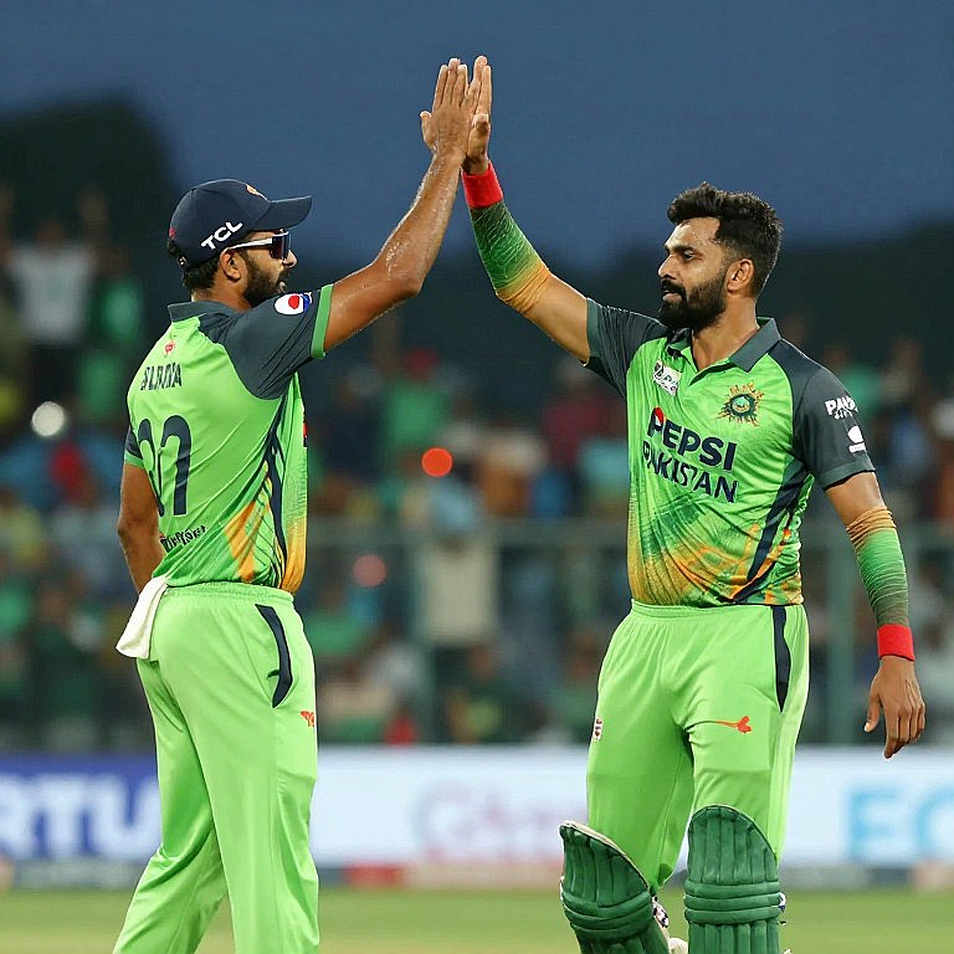
The National Cricket League is Bangladesh's first-class competition — multi-day, two innings, everything on the same slow clock. A 350-ball innings is not an extraordinary event here; it is the standard architecture of the format. A big score, therefore, is not by itself evidence of quality. Anyone reading 282 and 217* through T20 lenses is watching the wrong match.
The match was split across two days. Naeem resumed on 171 not out and added 111 on day two. Mahfizul resumed on 156 and added 61 before stopping at 217* — and the reason he stopped was not fatigue, it was a team decision.

Two structural facts matter here. First, the NCL awards points for a first-innings lead, which incentivises large first innings and long batting — the declaration at 465 for 7 is a product of that logic. Second, there is no DRS at this level, so no umpiring adjustment needs to be stripped out of the numbers. Both facts push in the same direction: an environment built for the batter.
There is a third layer, which I record with medium confidence. When these three matches were being played, Bangladesh's 15-man Test squad had already been named, which means frontline bowlers were in national camp rather than on NCL grounds. The bowling attacks on show were depleted by design. Auction day taught me that a transfer window has a heartbeat, not a deadline — a domestic circuit pulses the same way, and its pulse shows up not on the scorecard but on the list of bowlers actually available.
Now to the ledger, because that is where the evidence sits. Naeem: 282 runs off 369 balls, a strike rate of 76.4. Boundaries accounted for 126 runs, 44.7 percent of his total. Off non-boundary deliveries his run rate was roughly 45.7 — 156 runs from 341 balls. Mahfizul: 217 not out off 351, a strike rate of 61.8; 92 runs from boundaries, 42.4 percent; roughly 38.0 off non-boundary balls, 125 runs from 329.
In Asian first-class conditions a strike rate of 50 to 60 is the norm, and a 40 to 50 percent boundary share is a standard profile. On that scale Mahfizul sits exactly at par — his score is large, his method is not. Naeem's 76.4 is different: he did not merely bat long, he rotated strike, and that is the most concrete difference between the two innings. Seven sixes sit slightly above the typical opener profile; that is not proof of explosiveness so much as evidence that he repeatedly took the risk of lofting spin.
Then comes the number that changes the argument. Across 46 first-class matches, Naeem's previous highest score was 180. The 282 is 102 runs more — a 56.7 percent jump beyond his own career ceiling. In statistical terms this is an outlier, not a trend. Forty-six matches is not a small sample, and a 282 arriving after that much experience is weaker evidence of a player improving than of one particular day's conditions.
On the Bogura declaration, one thing needs saying plainly. Closing the innings at 465 for 7 is a team objective, not an incomplete innings. The story that he could have reached 300 had he stayed is not in this scorecard and should not be forced onto it. At the moment the declaration came, the score was already history; the dressing room was still deciding what it meant.
Mahfizul is 22. Batters generally mature between 27 and 33, so he is pre-peak — that opens a window of promise. But the only recorded datapoint against international-quality bowling is 4 off 8 balls for a BCB XI in the West Indies warm-up. Statistically that is meaningless; eight balls decide nothing. Directionally it is a caution, and I will not call it more than that.
The manner of Naeem's dismissal is more informative than his run count, because it is the only technical datapoint on record against spin: stepping out, mis-hitting, caught at cover. For a batter on 282 with a declaration looming, that reads less as a technical flaw and more as a small flag on temperament — no scoreboard pressure, and still the risk was taken. One incident cannot carry a conclusion, but it belongs in the file.
The missing fields belong in the file too. Career first-class averages for all three batters are not given. Twelve-month trends are not given. Ages for Naeem and Zakir are not given. Without those columns, a "selection contender" label cannot be assigned.
The simultaneity is the strongest analytical signal of the day, and the least discussed. When three unrelated matches produce 282, 217 and 112 on the same afternoon, the simplest explanation is not three simultaneous breakthroughs. It is bowler-unfriendly surfaces and thin bowling depth. Rajshahi, Bogura and Cox's Bazar — three different places, one result.
The outside reading is already forming: two alternative openers emerged in a single day. That reading is convenient, which is precisely why it is dangerous. Tanzid Hasan and Shadman Islam were picked as the Test openers, and the comparison frames itself. But a 282 in the NCL is not proof of international readiness — it is a first-class sample, and presenting it as T20, ODI or Test evidence is a category error. Flat, low-bounce domestic pitches, weakened attacks, run rates of 45 and 38 off non-boundary balls: together they describe a very different picture from the headline.
One more thing must be said. The source report behind this analysis carries no byline, no publication name and no scorecard citation; every figure is single-source. I am filing these as data pending verification, not to be treated as final until matched against the official BCB or ESPNcricinfo scorecard. And the framing of that report — two potential alternative openers — tells you the story was sourced from the selection debate rather than from the scorecard. The frame was set first, then the numbers were fitted into it.
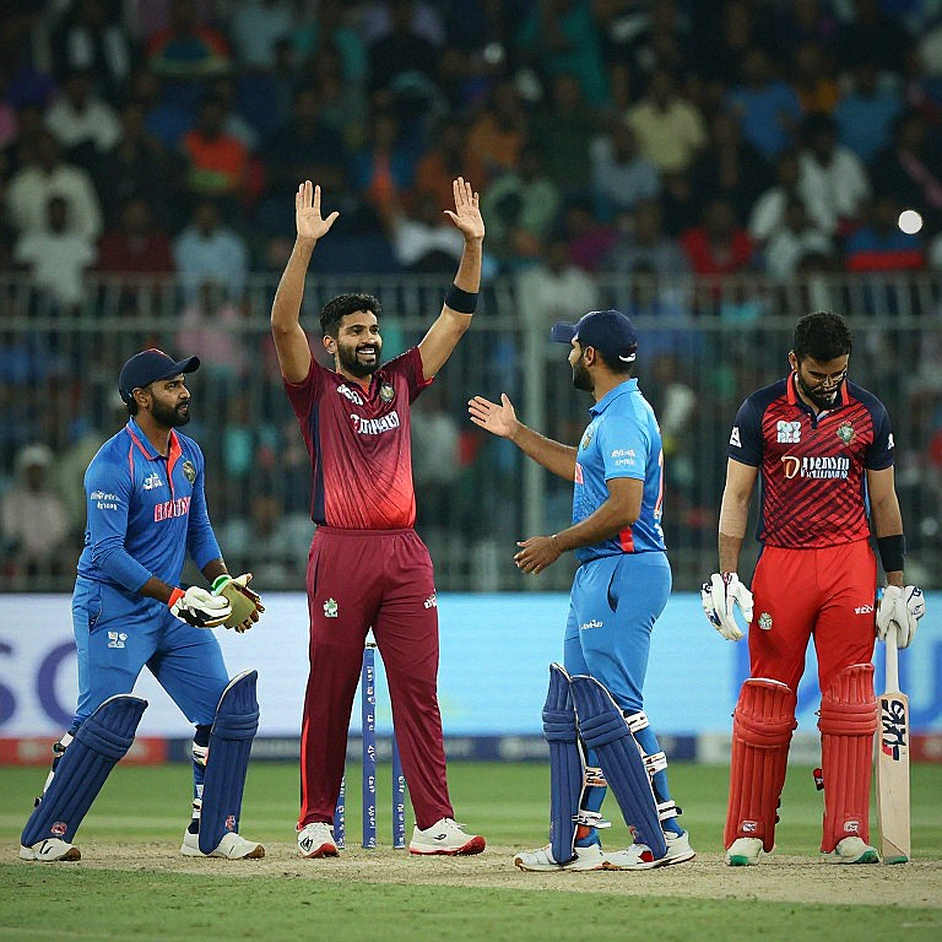
And the question nobody asked: if NCL pitches routinely produce declarations at 465 for 7 and three centurions in a day, what exactly is this league selecting for? Patience in bowlers, or batters for a surface Test cricket will never offer them?
The next signal will arrive in the next round, and it will come from the pitch rather than the score. If the Test seamers return from camp, play NCL, and the scores fall, this day's puzzle closes. If the scores hold, the question moves from the batters to the curators. The real test will be whether Naeem and Mahfizul appear on a BCB XI or A-team sheet — because a selection committee's paperwork will speak more clearly than these three figures. Until the official scorecard surfaces, the ledger stays open. And an open ledger is the only kind that can be audited properly.