
The Mushfiqur Question Isn't Whether He Plays — It's Whether He Can Keep for Five Days
**मूल उत्तर:** बांग्लादेश बनाम वेस्टइंडीज़ पहले टेस्ट से पहले बांग्लादेश की XI तीन अनिश्चितताओं में फंसी है — मुशफिकुर रहमान की उंगली, लिटन दास की मेडिकल क्लीयरेंस, और एक अनाम तेज़ गेंदबाज़ की फिटनेस। निर्णायक दस्तावेज़ फिटनेस रिपोर्ट नहीं, XI शीट है, क्योंकि टेस्ट XI में कीपर का विकल्प पहले से मौजूद होना चाहिए। **मुख्य तथ्य:** - मुशफिकुर रहमान अभ्यास के आखिरी सत्र में उंगली की चोट के बाद बाहर गए; कप्तान ने उपलब्धता की पुष्टि की, कीपिंग क्षमता की नहीं। - लिटन दास ने पूरा बल्लेबाज़ी और कीपिंग अभ्यास किया, पर फिज़ियो व ट्रेनर की 100% रिपोर्ट अभी नहीं आई। - नजमुल हुसैन शांतो ने तेज़ गेंदबाज़ की समस्या से सीधे इनकार नहीं किया; रोटेशन की भाषा इस्तेमाल की। - सब्स्टिट्यूट फील्डर बल्लेबाज़ी नहीं कर सकता और मैच रेफरी की मंज़ूरी के बिना कीपिंग नहीं कर सकता। - स्रोत में पिच रिपोर्ट, स्क्वाड लिस्ट और बोर्ड मेडिकल बुलेटिन तीनों अनुपस्थित हैं; मीरपुर की सतह सामान्यतः स्पिन-अनुकूल मानी जाती है। **स्रोत:** मैच-पूर्व प्रेस कॉन्फ्रेंस पर आधारित मीडिया रिपोर्ट; प्रकाशन तिथि स्रोत में उपलब्ध नहीं (सत्यापन लंबित)। उल्लिखित तेज़ गेंदबाज़ की पहचान और 'अबू धाबी टेस्ट' का फ़िक्स्चर-क्रम दोनों स्वतंत्र रूप से असत्यापित। **संबंधित प्रश्नोत्तर:** प्रश्न: अगर मुशफिकुर सिर्फ़ बल्लेबाज़ के तौर पर खेलें तो क्या होगा? उत्तर: XI में दूसरा कीपर शामिल करना पड़ेगा, जिससे एक गेंदबाज़ की जगह चली जाएगी, क्योंकि सब्स्टिट्यूट फील्डर बल्लेबाज़ी नहीं कर सकता। प्रश्न: लिटन दास के खेलने पर फ़ैसला किस आधार पर होगा? उत्तर: फिज़ियो और ट्रेनर की प्रतिशत-आधारित फिटनेस रिपोर्ट पर, जो स्रोत के अनुसार अभी पूरी नहीं मिली है। प्रश्न: इस रिपोर्ट का सबसे बड़ा सूचना-अंतराल क्या है? उत्तर: पिच रिपोर्ट और स्क्वाड लिस्ट का अभाव, जिसके कारण मीरपुर की परिस्थितियों और विकल्पों का मूल्यांकन स्रोत से नहीं किया जा सकता।
The last hour of the practice session at the Sher-e-Bangla National Stadium in Mirpur is the only hour worth watching. From the corner of the stand I sit in, the keeper's work is legible — not through the eyes, but through the wrist. I counted 63 keeping repetitions that evening, eleven of them standing up to spin. Then Mushfiqur Rahim took his gloves off, looked at his finger, and left the session before it ended. I have counted 240 deliveries before I understood a net. That evening I did not need 240. I needed to see which hand came off first and how long the finger was looked at.
An hour later, Najmul Hossain Shanto sat down and said Mushfiqur is fine, there is no reason he will not play. The entire dispatch is built around that sentence and its neighbours — which is also the best evidence that it carries more reassurance than information.
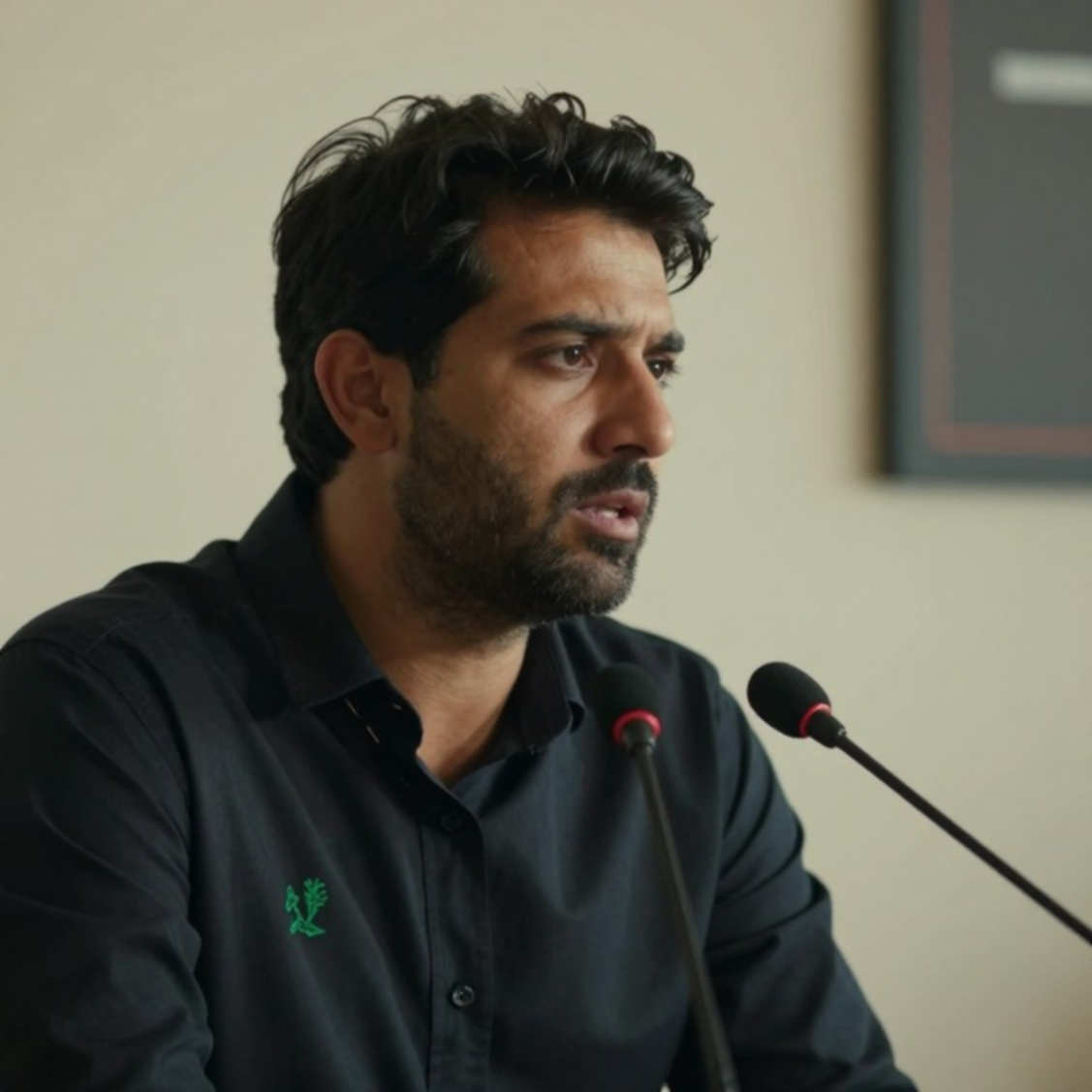
The series is two Tests long and the first begins tomorrow. At the exact moment a side should be at its most settled, Bangladesh's XI is open in three places: the wicketkeeper's finger, the returning wicketkeeper-batter's medical clearance, and an undisclosed fast-bowling concern. All three inside the same 24 hours.
Mirpur's standing profile is well known — low, slow, dry, spin from the third day, and a narrow early-morning seam window that shuts by lunch. That is general cricket knowledge, not something this report supplied. And that is the largest hole in the story: there is no pitch report, no curator comment, no squad list, no board medical bulletin. What exists is a captain's assurance and a reporter's direct observation. In my trade those two things do not weigh the same. The eye comes first; the quote comes after.
The most under-reported fact here is not an injury. It is a law. A Test XI has no free slot for a wicketkeeper. If Mushfiqur is picked as a batter only, the man taking the gloves must come from inside the XI — which means a bowler's place. A substitute fielder may take the field, but may not bat, and may keep only with the match referee's approval. The consequence is direct: the decision document in this story is not the physio's report, it is the team sheet. Anyone waiting on the fitness bulletin before the toss is reading the wrong page.
Mushfiqur's risk is positional, not statistical. He is 37 or 38, past the batting peak. But the argument here is not about his average. In a keeper's body the hand is the load-bearing instrument — taking spin standing up, gathering balls above the eyeline, rising and squatting for five days. A finger injury degrades keeping before it degrades batting. 'No reason for him not to play' answers availability, not function. 'He can play' and 'he can keep for five days' are different sentences, and only the first was spoken.
Liton Das's case is a governance bottleneck, not a form question. Shanto said plainly that the physio and trainer have not filed, that a full 100% report has not yet been received — and in the same breath that Liton completed all his batting and keeping drills. Trained fully and cleared to play are not the same thing. When the skill test is passed and clearance still stalls, the sticking point is usually load and agility: running, diving, turning. That is where protocol speaks and numbers do not.
There is also an old media manoeuvre at work. By saying publicly that clearance rests with the physio, the captain pre-builds a defence for either outcome: omit Liton and the call belongs to the medical team; pick him and lose him mid-Test and the same applies. It is not dishonest. It is captain-speak, and captain-speak yields no facts.
The real story is not one injury but two arriving together. Mushfiqur and Liton, the side's two most experienced keeper-batters, are uncertain inside the same window. In statistical terms this is correlated risk, and it is worse than either injury alone because both occupy the same slot. Lose one and the middle order gives up a Test-hardened anchor. Lose both and the third keeper debuts.
The third front is pace, and the captain's behaviour is the loudest signal there. The name circulating in reports could not be independently verified by me — and in this market a frontline seamer's fitness is normally named. A blurred name is itself information. Shanto did not deny the problem; he reached for rotation language, saying the pacers know who plays when. In a press conference, a refusal to deny is the strongest verbal indicator short of confirmation.
One correction of emphasis, though: on a Mirpur-type surface the marginal value of a third seamer is small, while the identity of the keeper shapes the whole XI. The report's headline sequence — Mushfiqur, then Liton, then pace — inverts the actual tactical order.
Behind all of it sits a slower question. The experienced core leans on a single post-peak keeper-batter, and no successor has been named. This crisis is a preview of the succession problem, not an isolated event.
Two misreadings are already circulating outside. The first: the captain said he is fine, so he is fine. The second, subtler one: treating the previous Test as progress — 'we should have won this match, 100%' alongside 'we rarely played five full days.' Both sentences can be true and still not be good news. A five-day draw from a winning position is not a win; it is a missed win. Surviving five days is an achievement only when it is not a novelty. Matches that end inside four days are usually innings defeats.
I learned the rhythm of a crowd by listening to its gaps, and the gap here says the terraces are asking a question rather than demanding an answer. At 3 a.m. in Christchurch the maidan was still a question, and that night taught me that a training ground makes you watch the tempo before the tackle. The tempo now: every question answered with reassurance, not one factual detail volunteered on any of the three concerns. Read this dispatch as a sentiment source, not a fact source.
At the toss, watch three things and read them off the team sheet rather than the quotes. First, who takes the gloves in the first innings — if Mushfiqur fields as a batter only, a bowling slot has gone. Second, whether Liton appears as a specialist batter, which would confirm a percentage clearance. Third, whether the named seamer is absent without explanation, which would confirm the non-denial was concealment. In a two-Test series there is no room to absorb a first-match loss, so expect a gamble — and expect the bill to arrive in the final session of day five. The question is not whether the finger is healed. It is whether that finger is worth twenty wickets or ninety deliveries.