
Asian Champions Trophy: India go top with 5-2 win over China, but the 'strong in all quarters' claim is not backed by data
एशियाई चैंपियंस ट्रॉफी में भारत ने चीन को 5-2 से हराया और छह टीमों की तालिका में शीर्ष पर पहुंच गया। मैच भुवनेश्वर के ओलंपियन सुरजीत सिंह हॉकी स्टेडियम में खेला गया। भारत के लिए कप्तान हरमनप्रीत सिंह ने दो गोल किए, सुखजीत सिंह ने दो और जुगराज सिंह ने एक। भारत के पांच में से तीन गोल पेनल्टी कॉर्नर से आए, यानी साठ प्रतिशत — जो अंतरराष्ट्रीय सामान्य दायरे से अधिक है। चीन ने हाफ-टाइम से चार मिनट पहले 1-1 की बराबरी की थी, जिसके एक मिनट बाद हरमनप्रीत ने पीसी से गोल कर बढ़त बहाल की; ब्रेक के तुरंत बाद भी उन्होंने गोल किया। मैच में भारत ने घरेलू मैदान पर दो गोल खाए। इस टूर्नामेंट से ओलंपिक कोटा नहीं मिलता, इसलिए इसका महत्व सेमीफाइनल सीडिंग, रोटेशन परीक्षण और सिस्टम की तैयारी तक सीमित है। इससे पहले भारत ने बांग्लादेश को 13-0 से हराया था। मैच रिपोर्ट में पजेशन, शॉट्स, सर्कल एंट्री और पेनल्टी कॉर्नर जीतने की संख्या उपलब्ध नहीं है, इसलिए भारत के प्रदर्शन की प्रक्रिया का मूल्यांकन सीमित है।
India beat China 5-2 in the Asian Champions Trophy at the Olympian Surjit Singh Hockey Stadium in Bhubaneswar, a second successive win that takes them to the top of the six-team round-robin table. Captain Harmanpreet Singh scored twice, Sukhjeet Singh scored twice and Jugraj Singh scored once. Three of India's five goals came from penalty corners.
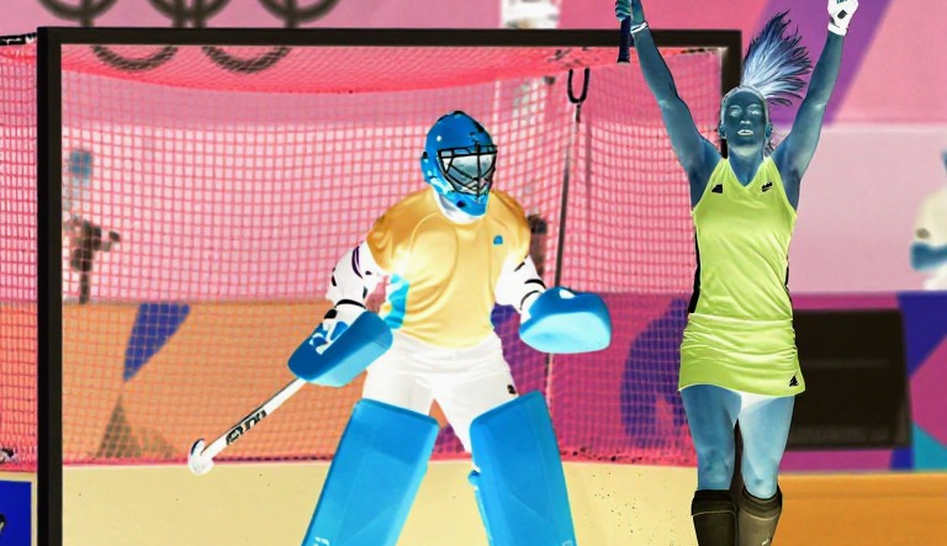
The scoreline looks comfortable, and so does the table. But the most useful information from this match is not in the scoreline. It sits in two facts that contradict the framing of the match report. First, China equalised at 1-1 four minutes before half-time — evidence of a lapse, not of dominance across all four quarters as the headline claims. Second, India conceded twice at home against a lower-ranked Asian side. A top-five team in that situation is normally expected to concede zero or one.
The goal sequence
India led first. China levelled four minutes before the interval. Within a minute, Harmanpreet Singh converted a penalty corner to restore the lead — a momentum-killing goal that removed the question hanging over the half-time break. Immediately after the restart, Harmanpreet scored again to make it 3-1. Sukhjeet Singh then scored twice and Jugraj added one. China's second goal arrived later and only brought the margin back to 5-2.
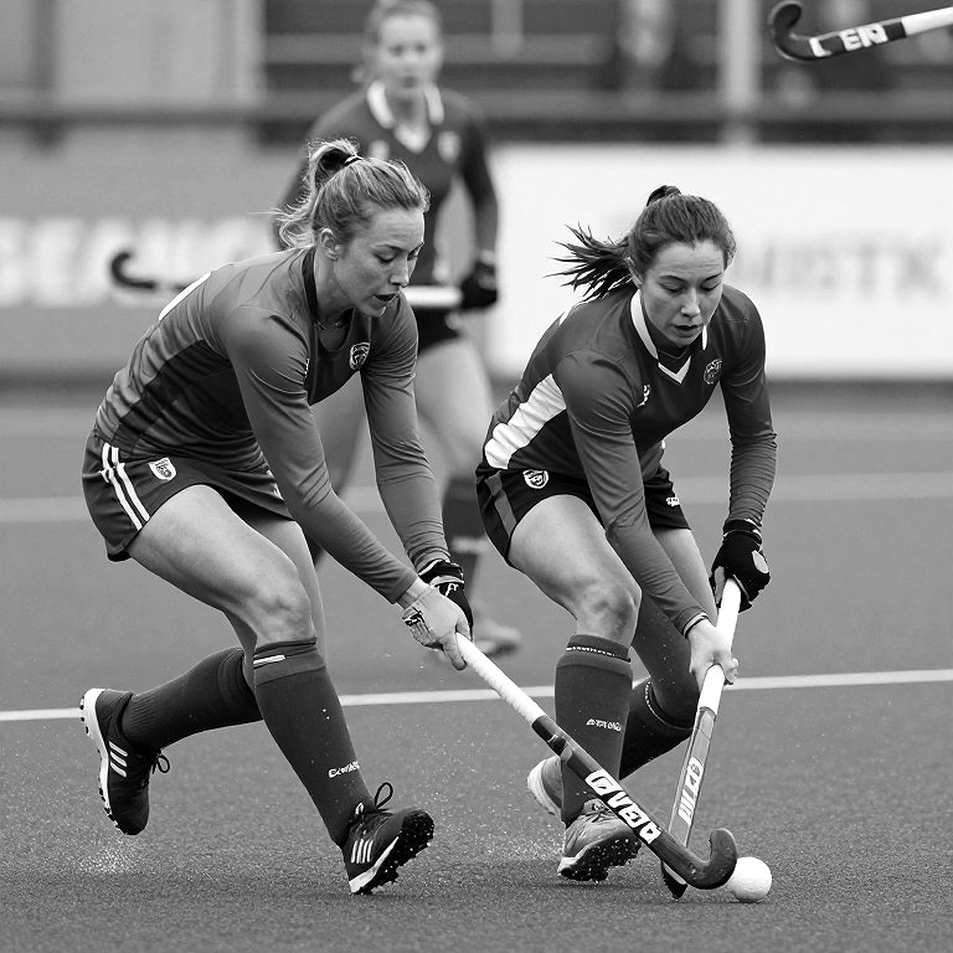
Harmanpreet's contribution is bigger than the numbers. Both goals came at the moments of greatest need: one after an equaliser, one straight after the interval. That timing is a marker of captaincy authority and set-piece reliability. But it is also a one-match sample. Two perfectly timed goals in a single game is a hypothesis, not an established pattern.
Sukhjeet's brace matters because it prevents the scoresheet from becoming a one-man story. If every Indian goal came from the captain, opposition planning would simplify to a single instruction: close down Harmanpreet. Jugraj's goal on the scoresheet is a technical signal in itself — he is a defender who is also a drag-flick option, suggesting India are running a multi-flicker penalty corner setup. That is standard practice at elite level precisely because a second flicker defeats the first runner's anticipation.
Sixty percent from penalty corners
The hardest number in the match is this: three of five goals from penalty corners, a sixty percent share. Internationally, penalty corner goals typically make up thirty to fifty percent of a team's total. India sit above that band.
On the surface that looks like strength, and to a degree it is. But structurally it is a warning. At the top-five level, penalty corners are harder to earn because elite defences concede fewer circle fouls. Belgium, the Netherlands and Australia defend with discipline and avoid foot fouls and dangerous play inside the circle. A side sourcing three-fifths of its goals from set pieces therefore carries an open-play scoring question into those matches.
There is a second data gap here. The number of corners India won is not reported. Three goals from twelve corners and three goals from four corners produce identical goal counts and completely different tactical verdicts. Without corner volume, penalty corner efficiency cannot be assessed at all.
The headline is a frame, not a finding
The report's central claim — that India were strong in all four quarters — is editorial colour. The only quarter-specific evidence available is China's equaliser four minutes before half-time, which points to a late-second-quarter lapse, the opposite of the claim. The four-quarter format creates four reset windows per match, and India used two of them precisely: immediately after conceding and immediately after the break. That pattern suggests deliberate drilling on restart windows, particularly the Q2 to Q3 interval, and it is consistent with a Craig Fulton-coached side whose background sits in the structured Irish and Belgian block-and-transition school.
India are playing a hybrid: European structure plus Indian individual flair, built on structured possession, a high press and penalty corner finishing. The cost of that model is visible in possession phases, when full-backs push forward and space opens behind — a known trade-off in Fulton-style build-up. Two goals conceded at home against a lower-ranked opponent is directionally consistent with that, but there is no data on circle entries or counter-attacks to confirm it.
The missing data
Possession, shot counts, circle entries, corners won, goalkeeper saves: none of these are available. Only goal distribution is reported. Any assessment of India's process therefore has no basis. It is also possible the source was a short agency-style report that simply did not carry such detail — in which case the gap is a source limitation, not evidence that nothing notable happened.
The 13-0 illusion
India beat Bangladesh 13-0 in their previous fixture. Eighteen goals scored and two conceded across two matches looks excellent, but thirteen of those eighteen goals came against the weakest team in the field. In a six-team round robin, goal difference has real table value for semifinal seeding. As a diagnostic it has almost none. A 13-0 result is an outlier that cannot repeat against ranked opposition, and framing the campaign as eighteen goals in two games is a classic opponent-quality illusion.
What the tournament is actually worth
The Asian Champions Trophy carries no Olympic berth — the Asian Games champion holds the direct quota — and continental ranking points are modest. The value is internal: rotation testing, rehearsing penalty corner variations, and squad cohesion. Judging India's trajectory towards Los Angeles from these two results would be a category error. What is at stake is table position for semifinal seeding, and that position is partly manufactured by the Bangladesh result rather than solely by quality.
Hosting at an Odisha venue is also a structural signal rather than a logistical one. India's state-sponsored hockey model converts public money into event-hosting capacity — an advantage most Asian federations cannot match. On the pitch, home turf, home crowd and familiarity with a water-based surface all favour India, as does acclimatisation to eastern India's heat and humidity.
Continental dominance versus global medals
Beating China 5-2 and Bangladesh 13-0 confirms hierarchy in Asia. It says nothing about closing the gap to the European and Australian top four. The Netherlands, Belgium, Australia and Argentina sit in the title-contender bracket. India sit in the medal-challenger bracket: a top-five ranking floor and demonstrated major-tournament medal capacity. Germany fluctuate within the same band, with England/Great Britain, Spain and New Zealand nearby. China, Pakistan, Bangladesh, Japan, Korea and Malaysia sit at participant or dark-horse level.
India's route to the top tier runs through open-play conversion and defensive economy, not penalty corners. The sixty percent set-piece share and the two concessions are precisely the variables that separate medal challengers from title contenders. Nor should a golden-generation label be imported: nothing here suggests a cohort peaking together. The accurate description is a captain-anchored, system-driven team with one elite set-piece specialist.
Rules and discipline
No card, referral or umpiring controversy is reported, and that absence should be stated plainly rather than filled with invented incident. In hockey, a green or yellow card is the single largest swing variable in a match, so a clean disciplinary sheet in a physical mismatch is a minor positive. The four-quarter format materially amplifies the value of India's interval adjustments: scoring just after the break directly exploits the Q2 to Q3 window that exists because of the 4x15 reform. Conversely, a goal share leaning sixty percent on penalty corners carries more referee-dependency risk than open-play scoring, because officiating standards tighten at Olympic and World Cup level.
What to watch next
First, defensive diagnostics: without knowing how China's two goals were built, the defensive line and goalkeeper unit cannot be assessed. Second, corner volume: once corners won are reported, it becomes possible to tell whether India are generating chances or converting them. Third, rotation: in a congested calendar with matches roughly every 48 hours, managing key personnel may matter more than winning this tournament. Fourth, whether the open-play goal share rises — that is the signal that India are moving from medal challenger towards title contender.
The verdict is clear and positive: five goals, three different scorers plus the captain, top of the table. But the evidence supports a narrower claim than the headline makes. India have a strong set-piece, better restart management and a multi-source attack — and they conceded twice against modest opposition while sourcing sixty percent of their goals from penalty corners. That is the scorecard of a good team, not of a fully resolved top team.